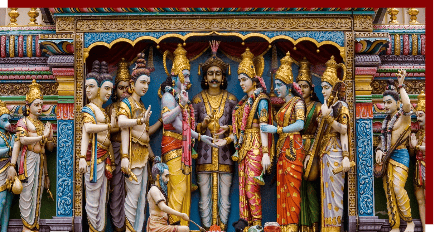

Yakshas: Guardians of Nature, Wealth, and the Mystical Realms
In the vast landscape of Indian mythology, Yakshas occupy a unique and intriguing place as celestial beings who bridge the worlds of gods, humans, and nature. Rooted deeply in Sanātana Dharma, these nature-spirits are intimately connected to the earth’s hidden riches — forests, rivers, mountains, and the treasures buried beneath them.
The word “Yaksha” comes from the Sanskrit root yaks, meaning to worship or to sacrifice, reflecting their sacred connection to divine service and natural abundance.
Presence in Ancient Texts
Yakshas appear throughout India’s oldest scriptures — from the Vedas and Puranas to the Mahābhārata and Rāmāyaṇa. They are described as beings of dual temperament: some are benevolent and wise, granting blessings and protection, while others are fierce, haunting the wilderness and testing mortals with trials of courage and virtue.
This duality — balancing generosity and wrath — makes the Yaksha a symbol of nature itself: beautiful and nurturing, yet powerful and unpredictable.
Divine Guardians of Wealth and Nature
Yakshas are traditionally known as custodians of hidden treasures and guardians of the earth’s wealth, serving under the celestial authority of Lord Kubera, the god of riches. They protect the natural world’s gems, minerals, and sacred groves, ensuring that divine abundance remains preserved and respected.
As protective spirits, Yakshas are also seen as the tutelary deities of trees, lakes, mountains, and even entire cities. They are invoked during rituals and festivals to bring prosperity, fertility, and peace to those who honor the balance between nature and spirit.
Types of Yakshas
Across various traditions, Yakshas are portrayed in diverse forms, reflecting the complexity of their roles and temperaments:
- Benevolent Yakshas: Gentle guardians who nurture forests, rivers, and fertile lands, blessing devotees with wealth and well-being.
- Neutral Yakshas: Detached observers who neither aid nor harm humans, maintaining equilibrium within nature’s cycles.
- Malevolent Yakshas: Fierce spirits associated with darker forces — sometimes akin to ghosts or ogres — who punish greed, arrogance, or disrespect toward nature.
- Ambivalent Yakshas (in Buddhist lore): Beings with shifting temperaments, capable of both benevolence and destruction depending on circumstance and human intent.
Roles and Responsibilities
The Yakshas’ duties encompass both material and spiritual dimensions, intertwining the guardianship of nature with cosmic order.
- Custodians of Wealth: They safeguard the hidden treasures within the earth — precious stones, metals, and mystical riches — preserving divine balance.
- Protectors of Nature: Yakshas maintain the fertility and sanctity of forests, rivers, and mountains, ensuring that humanity coexists harmoniously with the environment.
- Enforcers of Divine Justice: They act as agents of cosmic retribution, punishing those who desecrate nature or disturb spiritual equilibrium.
- Attendants to Deities: Loyal servants and warriors of the gods, particularly Kubera, assisting in celestial duties and guarding divine domains.
- Testers of Human Virtue: In epic tales such as the Yaksha Prashna of the Mahābhārata, a Yaksha challenges Yudhishthira with profound philosophical questions, symbolizing the moral and spiritual trials every seeker must face.
Mystical Powers and Abilities
Yakshas are often depicted as possessing remarkable powers, embodying the mysterious energy of the natural world they govern.
- Shape-Shifting: They can assume any form — human, animal, or elemental — enabling them to move freely between worlds and interact with mortals.
- Invisibility: Their unseen presence allows them to observe, protect, or test humans without revealing themselves.
- Magical Influence: Yakshas wield powers connected to fertility, prosperity, and elemental forces. They can bless, heal, or curse, depending on human conduct.
- Supernatural Strength and Longevity: Endowed with immense physical power and extended lifespans — sometimes even immortality — they embody nature’s enduring vitality.
- Union with Fertility and Prosperity: Together with their female counterparts, the Yakshinis, they represent the life-giving forces of nature, influencing harvests, abundance, and human fortune.
Symbolism and Significance
Yakshas stand as eternal symbols of the bond between humanity and the natural world. They remind mortals that true wealth lies not only in material treasures but in the reverence and care for the living earth. Their presence in sacred groves, riversides, and mountain caves signifies protection, balance, and the ever-present spirit of life.
Conclusion
The Yakshas embody the soul of the natural universe — mysterious, powerful, and nurturing. As divine guardians of wealth and wilderness, they personify the sacred link between prosperity and reverence for nature. Their stories, echoing through the Vedas and epics, urge humanity to live in harmony with the world around them — to honor the unseen forces that sustain life, and to remember that true abundance flows from balance, respect, and devotion.
Your Title Goes Here
Your content goes here. Edit or remove this text inline or in the module Content settings. You can also style every aspect of this content in the module Design settings and even apply custom CSS to this text in the module Advanced settings.