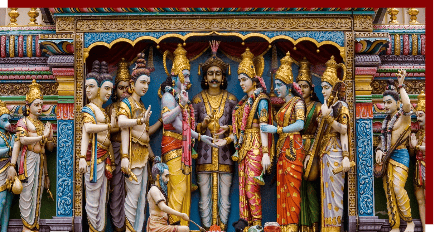
Kinnaras are among the most enchanting beings in Hindu and Buddhist mythology—celestial creatures known for their music, devotion, and beauty. These divine hybrids, often described as half-human and half-animal, embody the perfect harmony between art, love, and spirituality. In Hindu tradition, they are usually portrayed with a human upper body and the wings or form of a bird, while in Buddhist belief, they serve as messengers of divine beauty and enlightenment.
Who Are the Kinnaris?
The Kinnaris, the female counterparts of the Kinnaras, occupy a revered place in Buddhist lore. They are described as half-bird, half-human beings of exceptional grace and elegance, celebrated for their artistic talents and musical mastery. Often seen as celestial attendants in the paradises of deities like Kubera, the god of wealth, Kinnaris represent beauty, harmony, and pure devotion.
Legends say that Kinnaras and Kinnaris reside in the Himalayas, where they live in deep companionship and mutual love. They are believed to be protectors of those in distress, appearing in times of danger to offer help and guidance.
The Celestial Musicians of Heaven
Kinnaras are often referred to as the heavenly musicians of the divine realms. They perform music and dance to honor the gods, particularly in the celestial courts of Kubera and Indra. Known for their mastery of instruments such as the lute, flute, drum, and the ancient kinnari vina, their melodies are said to calm storms, bring peace, and heal emotional pain. Through their songs and graceful dances, they express devotion, joy, and cosmic harmony.
Divine Roles and Responsibilities
Beyond their musical gifts, Kinnaras play several important roles in mythology:
- Attendants of the Gods: They serve deities through singing, dancing, and offering garlands during celestial rituals.
- Protectors of Humanity: In times of peril, Kinnaras are said to intervene, shielding mortals from harm.
- Symbols of Eternal Love: Often depicted in pairs, they personify faithfulness, loyalty, and the unbreakable bond of love.
- Guardians and Warriors: In various myths, Kinnaras take part in divine battles and guard treasures in the heavenly city of Alaka, preserving the sanctity of sacred realms.
Depictions Across Cultures and Faiths
The image of the Kinnara varies among traditions:
- Hindu Mythology: Kinnaras are described as human-headed beings with the body of a horse, also called Asvamukhas or Turangavaktras.
- Buddhist Mythology: They appear as graceful half-human, half-bird figures, with Kinnaris often portrayed as women with wings, tails, and the feet of a swan—symbols of purity and feminine grace.
- Jain Texts: Kinnaras are grouped with celestial entities such as Kimpurusa and Kinnarottama, belonging to the Vyantara class of deities who move freely through the three worlds.
Forms and Variations
Throughout history, different traditions have depicted Kinnaras in various forms:
- Tibetan Tradition: They have a human torso and a bird’s lower body, symbolizing enlightenment and the power of divine art.
- Fully Human Kinnaras: Some texts describe them as entirely human but blessed with divine musical and spiritual gifts.
- Gandharva-Kinnaras: Skilled musicians who serve Kubera and accompany the Gandharvas.
- Deva-Kinnaras: Guardians of divine joy and music who serve directly under the gods.
- Spiritual and Artistic Kinnaras: Represent the soul’s yearning for divine harmony and symbolize creativity, poetry, and the arts.
Messengers of Harmony and Love
Kinnaras and Kinnaris are more than celestial performers—they are symbols of the highest form of love and devotion. Their unshakable bond represents ideal companionship, fidelity, and compassion. In mythology, they remind mortals that true love is built on loyalty and spiritual connection, not merely desire.
Guardians of Beauty and Nature
These beings are also revered as protectors of sacred beauty. They safeguard the purity of music and art from corruption, ensuring that creativity remains a channel for peace and spiritual awakening. It is believed that they inhabit sacred mountains such as the Himalayas, Gandhamadana, and Mount Kailash, where they sing praises to the divine and preserve the spiritual sanctity of those regions.
Divine Performers and Their Influence
Every performance by a Kinnara or Kinnari is considered an act of worship rather than entertainment. Their music is said to have the power to calm the heavens, heal sorrow, and restore balance to the cosmos. During divine festivals, celestial weddings, and the victories of gods, their performances spread joy and beauty throughout the universe.
The Enduring Importance of Kinnaras
Kinnaras occupy a special place in mythological and artistic traditions. They are:
- Guardians of Music and Art: Embodying the belief that art is a sacred offering to the divine.
- Symbols of Faithfulness: Representing trust, purity, and eternal love.
- Messengers of Harmony: Reminding the world that peace and beauty can flourish even amid diversity.
- Inspiration for Artists and Devotees: Their legend continues to inspire poets, musicians, and dancers to pursue spiritual beauty through art.
Conclusion
The story of the Kinnaras is one of beauty, devotion, and divine artistry. Whether as celestial musicians in the courts of Kubera, protectors of sacred mountains, or symbols of true love, they remind us that music and devotion are eternal bridges between the mortal and the divine. The Kinnaras and Kinnaris continue to inspire humanity to find grace in art, harmony in love, and peace in spiritual expression.
Your Title Goes Here
Your content goes here. Edit or remove this text inline or in the module Content settings. You can also style every aspect of this content in the module Design settings and even apply custom CSS to this text in the module Advanced settings.
Your Title Goes Here
Kinnaras are among the most enchanting beings in Hindu and Buddhist mythology—celestial creatures known for their music, devotion, and beauty. These divine hybrids, often described as half-human and half-animal, embody the perfect harmony between art, love, and spirituality. In Hindu tradition, they are usually portrayed with a human upper body and the wings or form of a bird, while in Buddhist belief, they serve as messengers of divine beauty and enlightenment.
Who Are the Kinnaris?
The Kinnaris, the female counterparts of the Kinnaras, occupy a revered place in Buddhist lore. They are described as half-bird, half-human beings of exceptional grace and elegance, celebrated for their artistic talents and musical mastery. Often seen as celestial attendants in the paradises of deities like Kubera, the god of wealth, Kinnaris represent beauty, harmony, and pure devotion.
Legends say that Kinnaras and Kinnaris reside in the Himalayas, where they live in deep companionship and mutual love. They are believed to be protectors of those in distress, appearing in times of danger to offer help and guidance.
The Celestial Musicians of Heaven
Kinnaras are often referred to as the heavenly musicians of the divine realms. They perform music and dance to honor the gods, particularly in the celestial courts of Kubera and Indra. Known for their mastery of instruments such as the lute, flute, drum, and the ancient kinnari vina, their melodies are said to calm storms, bring peace, and heal emotional pain. Through their songs and graceful dances, they express devotion, joy, and cosmic harmony.
Divine Roles and Responsibilities
Beyond their musical gifts, Kinnaras play several important roles in mythology:
- Attendants of the Gods: They serve deities through singing, dancing, and offering garlands during celestial rituals.
- Protectors of Humanity: In times of peril, Kinnaras are said to intervene, shielding mortals from harm.
- Symbols of Eternal Love: Often depicted in pairs, they personify faithfulness, loyalty, and the unbreakable bond of love.
- Guardians and Warriors: In various myths, Kinnaras take part in divine battles and guard treasures in the heavenly city of Alaka, preserving the sanctity of sacred realms.
Depictions Across Cultures and Faiths
The image of the Kinnara varies among traditions:
- Hindu Mythology: Kinnaras are described as human-headed beings with the body of a horse, also called Asvamukhas or Turangavaktras.
- Buddhist Mythology: They appear as graceful half-human, half-bird figures, with Kinnaris often portrayed as women with wings, tails, and the feet of a swan—symbols of purity and feminine grace.
- Jain Texts: Kinnaras are grouped with celestial entities such as Kimpurusa and Kinnarottama, belonging to the Vyantara class of deities who move freely through the three worlds.
Forms and Variations
Throughout history, different traditions have depicted Kinnaras in various forms:
- Tibetan Tradition: They have a human torso and a bird’s lower body, symbolizing enlightenment and the power of divine art.
- Fully Human Kinnaras: Some texts describe them as entirely human but blessed with divine musical and spiritual gifts.
- Gandharva-Kinnaras: Skilled musicians who serve Kubera and accompany the Gandharvas.
- Deva-Kinnaras: Guardians of divine joy and music who serve directly under the gods.
- Spiritual and Artistic Kinnaras: Represent the soul’s yearning for divine harmony and symbolize creativity, poetry, and the arts.
Messengers of Harmony and Love
Kinnaras and Kinnaris are more than celestial performers—they are symbols of the highest form of love and devotion. Their unshakable bond represents ideal companionship, fidelity, and compassion. In mythology, they remind mortals that true love is built on loyalty and spiritual connection, not merely desire.
Guardians of Beauty and Nature
These beings are also revered as protectors of sacred beauty. They safeguard the purity of music and art from corruption, ensuring that creativity remains a channel for peace and spiritual awakening. It is believed that they inhabit sacred mountains such as the Himalayas, Gandhamadana, and Mount Kailash, where they sing praises to the divine and preserve the spiritual sanctity of those regions.
Divine Performers and Their Influence
Every performance by a Kinnara or Kinnari is considered an act of worship rather than entertainment. Their music is said to have the power to calm the heavens, heal sorrow, and restore balance to the cosmos. During divine festivals, celestial weddings, and the victories of gods, their performances spread joy and beauty throughout the universe.
The Enduring Importance of Kinnaras
Kinnaras occupy a special place in mythological and artistic traditions. They are:
- Guardians of Music and Art: Embodying the belief that art is a sacred offering to the divine.
- Symbols of Faithfulness: Representing trust, purity, and eternal love.
- Messengers of Harmony: Reminding the world that peace and beauty can flourish even amid diversity.
- Inspiration for Artists and Devotees: Their legend continues to inspire poets, musicians, and dancers to pursue spiritual beauty through art.
Conclusion
The story of the Kinnaras is one of beauty, devotion, and divine artistry. Whether as celestial musicians in the courts of Kubera, protectors of sacred mountains, or symbols of true love, they remind us that music and devotion are eternal bridges between the mortal and the divine. The Kinnaras and Kinnaris continue to inspire humanity to find grace in art, harmony in love, and peace in spiritual expression.